
How Chronic Stress Affects the Nervous System and What Helps
By: Niyatee Sukumaran, Ph.D. | May 29, 2026
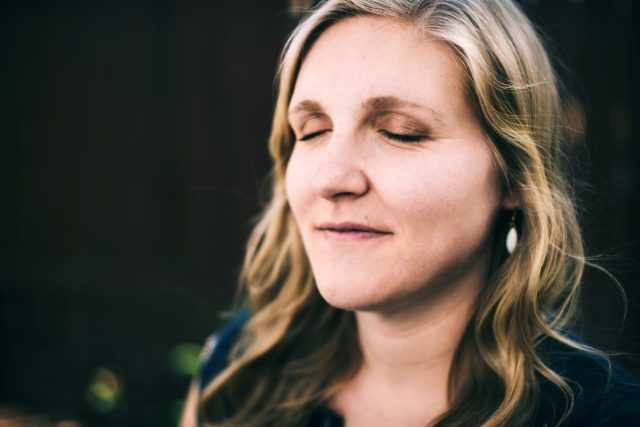
In my work as a psychologist, I often work with people who are carrying more than they realize. Not just visible responsibilities like work deadlines, caregiving, relationships, and the endless demands of daily life, but also the invisible weight of constant mental and emotional activation.
Many people tell me they feel “on edge” and exhausted yet are unable to truly rest. They struggle to relax, quiet their thoughts, or feel disconnected from others.
When I gently ask what they do to relax, there is often a pause. Sometimes they quietly admit: “I don’t really know how to.” Honestly, I think many of us can relate to this as time passes.
The Problem Isn’t Stress, It’s the Lack of Recovery
Stress itself isn’t the problem. Our bodies are designed to respond to stress. When we feel overwhelmed, pressured, or unsafe, our nervous system activates automatically.
The challenge many of us face today is the stress never seems to fully stop. Even when the immediate pressure passes, our nervous system often remains stuck in a state of activation.
Without intentional moments of rest and recovery, our body can begin to forget how to slow down. Over time, this can show up as anxiety, irritability, sleep disturbances, burnout, or physical symptoms such as headaches and digestive issues. In therapy, I often describe this as a nervous system that has forgotten how to “switch off.”
Relaxation is a Necessity
One of the biggest misconceptions I see is the belief that relaxation is optional, indulgent, or something we have to “earn.” But relaxation is not a luxury; it is a necessity. It creates moments where the body and mind can experience safety and stillness through slow, intentional breathing, grounding through the senses, gentle movement, or simply pausing to notice your internal state. These moments send a powerful message to your nervous system that you are not in danger, helping the system return to balance.
Relaxation Helps Us Regulate Emotions
One of the most meaningful shifts I see in therapy is not that difficult emotions disappear, but that they begin to feel more manageable.
When our nervous system operates from a chronically heightened state, emotions often feel bigger and more overwhelming. Smaller stressors can suddenly evoke disproportionate reactions, not because something is “wrong,” but because our nervous system is already taxed. In these moments, the brain is less able to engage in reflective thinking and more likely to be in a reactive state.
Through relaxation techniques we activate the body’s calming response and create the physiological conditions needed for emotional regulation. Over time, it becomes easier to pause, identify what we’re feeling, and respond with intention instead of reacting automatically.
Importantly, relaxation does not suppress emotions or make them disappear. Instead, it creates space around them. I often think of this shift from “I am overwhelmed by this feeling” to “I can notice this feeling and stay with it.” This subtle difference matters tremendously. It allows for emotional flexibility rather than avoidance, escalation, or emotional shutdown.
Emotional Regulation is a Practice
One of the most important things I remind clients of is that relaxation works best when we practice it consistently, not only during times of crisis.
Emotional regulation, like any skill, develops through repetition and practice. Every intentional pause becomes a form of rehearsal.
This is where some people get discouraged. They assume relaxation “isn’t working” because they still feel anxious, overwhelmed or distracted. But healing is rarely immediate and the nervous system takes time to heal. In fact, slowing down can initially feel uncomfortable for a lot of people. Sometimes when the mind is used to constant activity, the body may resist stillness. I gently remind clients that this does not mean they are doing relaxation “wrong.” It means the nervous system is adjusting.
The Beliefs That Keep Us Stuck
Relaxation is not only physical, but also deeply psychological, too. When we finally slow down, many of us come face-to-face with uncomfortable beliefs, such as:
- “I am not doing enough; I should be doing more.”
- “I don’t have time to rest.”
- “Rest is lazy.”
- “I have to keep going.”
- “I have to earn relaxation.”
- “Everyone else needs me first.”
These beliefs can quietly keep us trapped in cycles of over functioning, burnout, and self-neglect. Part of the therapeutic process involves noticing these internal narratives with curiosity rather than judgment.
Reconnecting With Yourself
Relaxation can deepen our connection with ourselves. In moments of stillness – when we are not rushing or problem-solving, we may begin to notice emotions that have been pushed aside. While this can feel vulnerable, it is also where self-awareness begins.
Relaxation becomes less about “doing nothing” and more about creating space to simply be human.
We notice what we are thinking and feeling.
What we need.
What we have been carrying.
What we may have been avoiding.
Starting small is key. Even a single intentional breath can be the beginning of reconnecting with yourself.
You Are Not Alone
If you’re feeling overwhelmed, emotionally exhausted, or disconnected from yourself, therapy can help. At Therapy Changes, we provide a warm and supportive space where you can slow down, process what you’ve been carrying, and learn practical tools to help regulate your nervous system and regain balance.
Together, you and your therapist will explore relaxation strategies tailored to your unique needs, lifestyle, and emotional experiences so that you can begin feeling more grounded, connected and supported in your daily life.
If you’re ready to take the next step toward healing and emotional well-being, we invite you to click the ‘Let’s Connect’ button on our website today to get started. We’re here to help.
Photo by Tim Mossholder on Unsplash