
Got Road Rage?
By: Natalie Rice-Thorp, Ph.D. | December 12, 2025
How to Deal With Mr. Toad on the Road
Simple Tips for a Calmer Commute
We’ve all been there. You’re driving along, minding your own business, when suddenly out of nowhere, a car does something unexpected and your whole body reacts before your mind can catch up. Maybe a few choice words slip out, or you make a few not-so-polite hand gestures. Or maybe you just internally seethe, replaying the moment over and over. What happens next has important implications for your physical and mental health. Your response can either fuel the fire inside you or gently settle your nervous system. In this article, we’ll explore how to move away from reactions that feel like a hot spring or volcano and instead find your way back to something closer to a calm, steady babbling brook.
What Driving Style Sounds Like You?
Before we can change how we react, it helps to understand the kind of driver we tend to become when stress hits and we encounter Mr. Toad on the road. Most of us fall into a familiar pattern without even realizing it. Maybe we explode, maybe we simmer, or maybe we take a deep breath and redirect. Once you recognize your driving style, you can start to shift in a way that protects your wellbeing and supports a calmer, safter ride for you and everyone around you.
Are You Like a Volcano?
Do you yell, swear, angrily gesture, or drive aggressively, letting your anger spill throughout the car and onto the road? When this happens, your body quickly shifts into fight mode, and staying in that state can be rough on your mind and body over time.
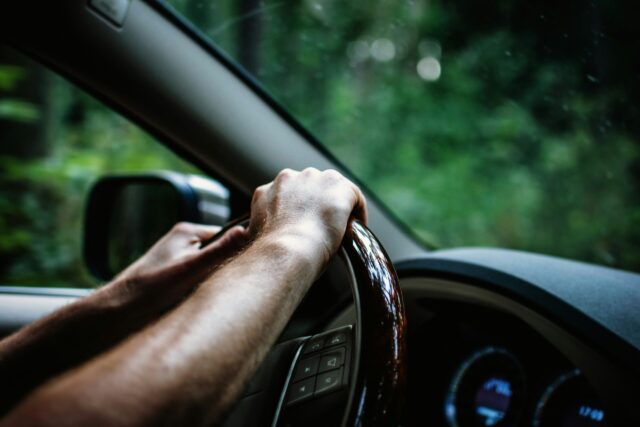
Our bodies constantly scan for cues and react to external signals. If your hands tighten on the steering wheel or your voice rises, your body reads those signals and continues to fuel the “fight” mode – and the cycle continues. This kind of activation may be helpful if you are facing a real threat, but it generally works against you when all you are trying to do is drive safely and arrive at your destination in one piece.
Living in a volcano-like state of heightened arousal is not only generally unhelpful in the moment, but over time it can strain your heart, weaken your immune system, negatively impact your mood, and take a toll on your relationships. Noticing these patterns is the first step toward shifting out of volcano mode and choosing responses that support your wellbeing.
Are You a Hot Spring Bubbling Under the Surface?
Maybe you aren’t the type to swear and swerve aggressively, but you still feel anger bubbling quietly inside. You might tense up, rehearse harsh thoughts about the other driver, or create a whole story about how they don’t care, they’re selfish, or they should know better. This quieter version of fight mode may look calm on the outside, but it can have a similar negative effect on your body, mind, and relationships.
Or Are You a Babbling Brook That Knows How to Flow?
You still feel the rush of fear or anger when another driver does something unexpected and upsetting, but you are able to recover quickly. You take a breath, make adjustments (such as carefully moving away from the Mr. Toad driver on his wild ride), and go with the flow. When you can recenter like this, you protect your wellbeing and create a calmer experience for everyone in the car.
What If I Realize I Am a Volcano or Hot Spring?
The good news is that awareness is the first step, and you can absolutely learn to shift into your babbling brook self. Instead of fueling angry thoughts about the other driver or imagining the worst about their intentions, you can use these tools to help your body settle and your mind to come back to center. Try these tips to gently cool the lava and find your flow:
- Relax your body while staying safe behind the wheel.
Gently unclench your jaw, loosen your grip on the steering wheel, soften your shoulders and let your neck soften. Even small shifts in your body can send powerful messages to your nervous system to override fight mode and invite your body back into a calmer state. - Breathe the fight mode out.
Take a normal breath in and a loooonng breath out. Then repeat. Normal breath in, looooonnng breath out. Relaxation exercises like these help reduce excess oxygen in your system and signal to your brain that you are safe. With each long exhale, you help your body settle and communicate that you do not need to fight. - Stretch your thinking with “What if…”.
Challenge yourself to think of at least 5 explanations for why the other driver acted the way they did. Here’s the twist: none of your explanations can feed your anger or fear. However, they can be funny, silly, or surprisingly empathetic. For example, maybe the driver cut across lanes because they literally had ants in their pants! Maybe they were rushing their cat to the veterinarian because the cat happened to be giving birth in the back seat of the car that they needed to sell later that day to pay for the other cats’ medical bills. Let your imagination run, and try to do it quickly, so your brain has less time to feed the anger. If you have passengers, invite them to join in the game. Practicing flexible thinking through cognitive therapy techniques is one of the most reliable ways to reduce stress and engage your rational mind. - Take the wheel back from fight mode.
When we perceive danger, our bodies automatically shift into fight, flight, or freeze mode. Fear rushes in, and anger often follows to help us in fight mode. When this reaction is not helpful, you can learn to manually override it and move toward something more helpful. Think of it like calming an overprotective guard dog. If you act scared or angry, the dog barks louder and acts more aggressively. If you move slowly, speak calmly and show the dog that you are safe, it quiets down much faster. And truly, I think we can all agree that agitated guard dogs should not be driving😉
Does Staying Calm Mean They Get Away With It?
If you tend to react like a volcano or a hot spring, you might think, “I don’t want the other driver to get away with it.” The truth is that unless you are a police officer or another kind of public safety professional, your primary job on the road is not to teach other drivers a lesson. Your primary role is to navigate the challenges on your commute and arrive safely at your destination.
Yelling, cursing, gesturing, swerving, hard braking, angrily muttering, or excessively honking, does not teach anyone anything useful. The other driver is not likely to roll down their window and say, “Thank you for that valuable feedback, I will now drive more safely.” More often, your volcano-like reaction only increases anger on both sides and makes the road less safe for everyone.
If you value the wellbeing of yourself, your passengers, and the drivers around you, let that guide your actions instead. The other driver is already gone, living their life, dealing with whatever they are dealing with. If you are still thinking about them and feeling angry, it’s not you who has the control. Ask yourself: Am I going to keep feeding this anger and strain my body and mind, or am I going to take back gentle control? Breathe in, take a long breath out, give Mr. Toad the benefit of the doubt. 😊
How Do I Know When It’s Working?
After the moment passes and you move on with your day, pay attention to what your mind is doing. Are you still replaying the road incident and feeling angry, or are you just living your life? Noticing this difference gives you valuable information about your inner babbling brook.
If you struggle to access that calmer part of yourself, working with a San Diego psychologist can help. Together, you and your therapist can learn skills to manage unhelpful responses and regulate your emotions more effectively.
Now go practice your “what if” game the next time you encounter a Mr. Toad on the road. You’ve got this, and the talented team at Therapy Changes is here to support you every step of the way. Contact us today to get started.
Photo by Erik Witsoe on Unsplash